Plowing Calibrated for Gravel Driveways
Driveway Plowing in Brimley for rural properties where lake-effect snow packs fast and access disappears quickly
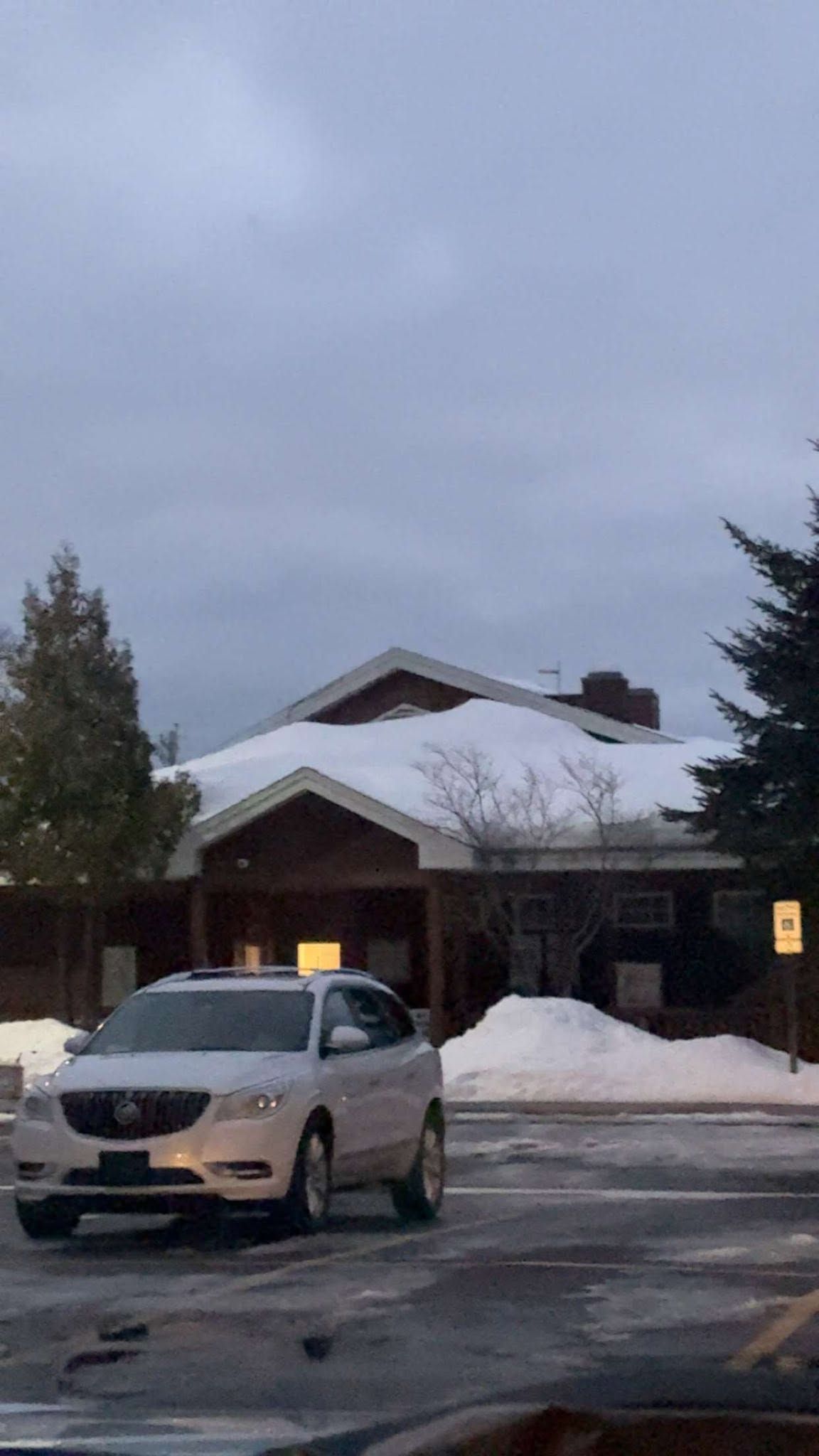
Eastern U.P. lake-effect events drop heavy, wet snow that packs into rural driveways and blocks access before you can keep up with it manually. Properties along Six Mile Road and Paradise Road corridor lose driveway access quickly without timely plowing. LCI Maintenance and Repair provides residential and rural driveway plowing across the Eastern U.P., using blade height and angle settings calibrated for the gravel driveways common in this area. Wrong plow setup tears up stone, leaves damaging ruts under the snowpack, and costs you in spring repairs.
The plowing process adjusts blade position to clear snow without scraping into the gravel base or creating ruts that turn into frozen trenches. Gravel driveways require different technique than paved surfaces, and local experience with U.P. terrain prevents the property damage that contractors unfamiliar with rural driveways often cause.
Schedule seasonal plowing service to maintain access through heavy snow periods without tearing up your driveway surface.
What Happens During Rural Driveway Plowing
Plowing gravel driveways requires setting blade height to skim snow without digging into the stone base. Angle and pressure are adjusted based on snow density and driveway grade to push material off without creating ruts or displacing gravel. LCI's experience with U.P. gravel and rural driveways means better clearing results and less property damage than contractors who treat every surface the same.
After plowing, you see a cleared driveway with the gravel base intact, no deep ruts frozen into the surface, and access restored for vehicles. Snow is pushed to the sides without creating berms that block turnarounds or drainage paths. The driveway remains passable through the season without needing spring grading to repair plow damage.
Lake-effect snow in the Eastern U.P. often falls wet and heavy, which packs down and becomes difficult to move if left too long. Timely plowing prevents compaction that turns into ice layers and makes later clearing harder on both the equipment and the driveway surface.
Questions Before Starting Your Project
Property owners across the Eastern U.P. want to know how plowing protects gravel driveways and what to expect from seasonal service.
What makes gravel driveway plowing different from paved surfaces?
Gravel requires higher blade settings and lighter pressure to avoid scraping stone off the base or creating ruts. Plow operators unfamiliar with gravel often dig in too deep and displace the surface material.
How does lake-effect snow in Brimley affect plowing needs?
Lake-effect snow falls wet and heavy, packing down quickly into dense layers that become harder to move over time. Timely plowing prevents compaction and ice formation that make later clearing more difficult.
What happens if a plow is set incorrectly on a gravel driveway?
The blade digs into the stone base, creating ruts that collect water and freeze into trenches. Displaced gravel ends up in piles at the driveway edges and needs to be redistributed in the spring.
When should driveway plowing be scheduled during heavy snowfall?
Plowing should start once snow depth reaches several inches and continues as needed to maintain access. Waiting until accumulation is deep increases compaction and makes clearing harder on both the equipment and the surface.
Why does local experience matter for rural driveway plowing?
U.P. gravel driveways vary in base material, grade, and drainage characteristics. Local operators understand how to adjust technique based on specific property conditions and snow density.
LCI Maintenance and Repair plows rural driveways with the technique that protects gravel surfaces through the season. Contact LCI to arrange plowing service calibrated for your property and driveway conditions.