Removal That Protects the Roof
Ice Dam Removal in Brimley for homes where freeze-thaw cycles back water under shingles and soak attic insulation
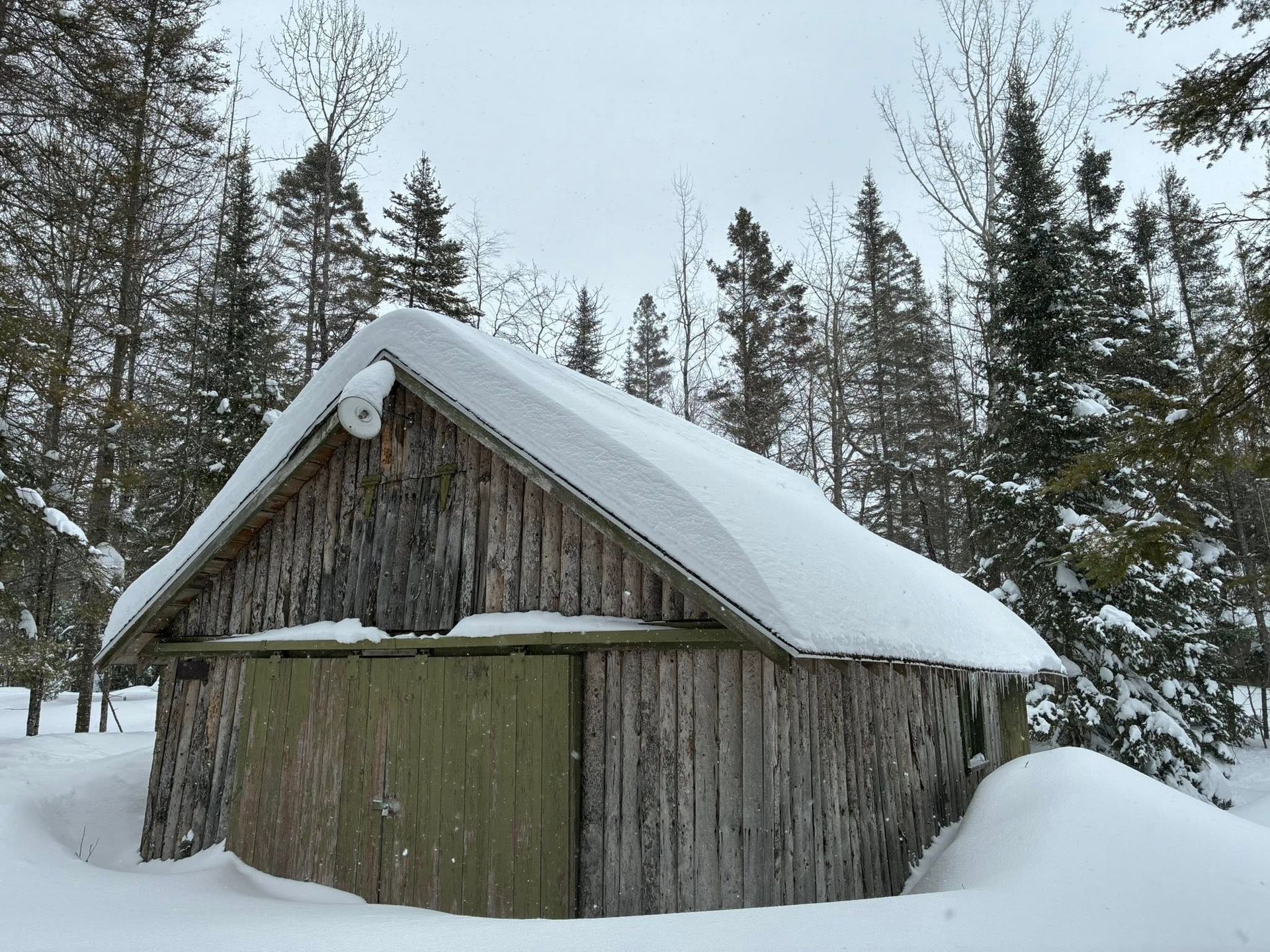
Lake-effect freeze-thaw cycles create recurring ice dams that back water up under shingles, soaking attic insulation and ceiling materials below. Properties along the Point Iroquois area and Lakeshore Drive corridor are especially vulnerable because temperature swings happen faster and more frequently near the lake. LCI Maintenance and Repair removes ice dams using a steamer-based method that clears the ice without tearing shingles or damaging gutters. You avoid the secondary damage caused by chipping, salting, or scraping on cold-weather roofing materials.
Steamer-based removal melts ice from the surface inward, creating channels that drain backed-up water and eliminate the dam without mechanical force. This method protects shingle edges, flashing, and gutter seams that chipping and prying tools often tear apart.
Schedule an ice dam removal to stop water intrusion before interior damage spreads through ceilings and walls.
Why Steamer-Based Removal Works for Ice Dams
Ice dams form when heat escaping through the roof melts snow, which then refreezes at the eaves where the roof surface is colder. The resulting ice ridge blocks meltwater from draining, forcing it back under shingles and into the attic. Steamer removal cuts drainage channels through the ice without applying mechanical stress to the roof surface, so shingles stay intact and water can escape.
After removal, you see clear eaves without ice buildup, dry attic insulation, and no new water stains spreading across interior ceilings. The roof edge remains undamaged, with shingles and flashing still sealed and functional. Water flows off the roof normally instead of pooling behind an ice barrier.
Chipping and chemical treatments can crack shingles, corrode flashing, and pull gutters loose from the fascia. The steamer approach eliminates the dam while preserving the roof system, which matters in a climate where ice dams return every winter.
What Property Owners Usually Ask
Homeowners in the Eastern U.P. want to know how ice dam removal works, what it prevents, and why the method matters.
What causes ice dams to form on homes in Brimley?
Heat loss through the roof melts snow on the upper roof surface, and the meltwater refreezes when it reaches the colder eaves. Inadequate attic insulation or ventilation increases the temperature difference that drives the cycle.
How does steamer removal differ from chipping or scraping?
Steamers melt the ice without applying force to the roof surface, so shingles, flashing, and gutters stay intact. Chipping tools often tear shingle edges, crack sealant, and pull gutters loose.
What damage do ice dams cause if left in place?
Backed-up water soaks through shingle underlayment, saturates attic insulation, and drips into walls and ceilings. Prolonged exposure can rot roof decking and create conditions for mold growth in attic spaces.
When should ice dams be removed in the Eastern U.P.?
Removal should happen as soon as water staining appears on interior ceilings or when ice buildup at eaves becomes thick enough to block normal drainage. Waiting allows more water to enter and increases interior damage.
Why do some homes near Whitefish Bay get ice dams every winter?
Frequent freeze-thaw cycles near the lake create ideal conditions for dam formation. Homes with heat loss through the roof or insufficient eave insulation see recurring dams unless the underlying heat flow is addressed.
LCI Maintenance and Repair removes ice dams using methods that protect the roof system during the process. Arrange a steamer-based removal to stop water intrusion without causing secondary damage.