Paint That Holds Through Lake-Effect Winters
Exterior Painting in Brimley for homes exposed to harsh U.P. freeze-thaw cycles and wind-driven moisture
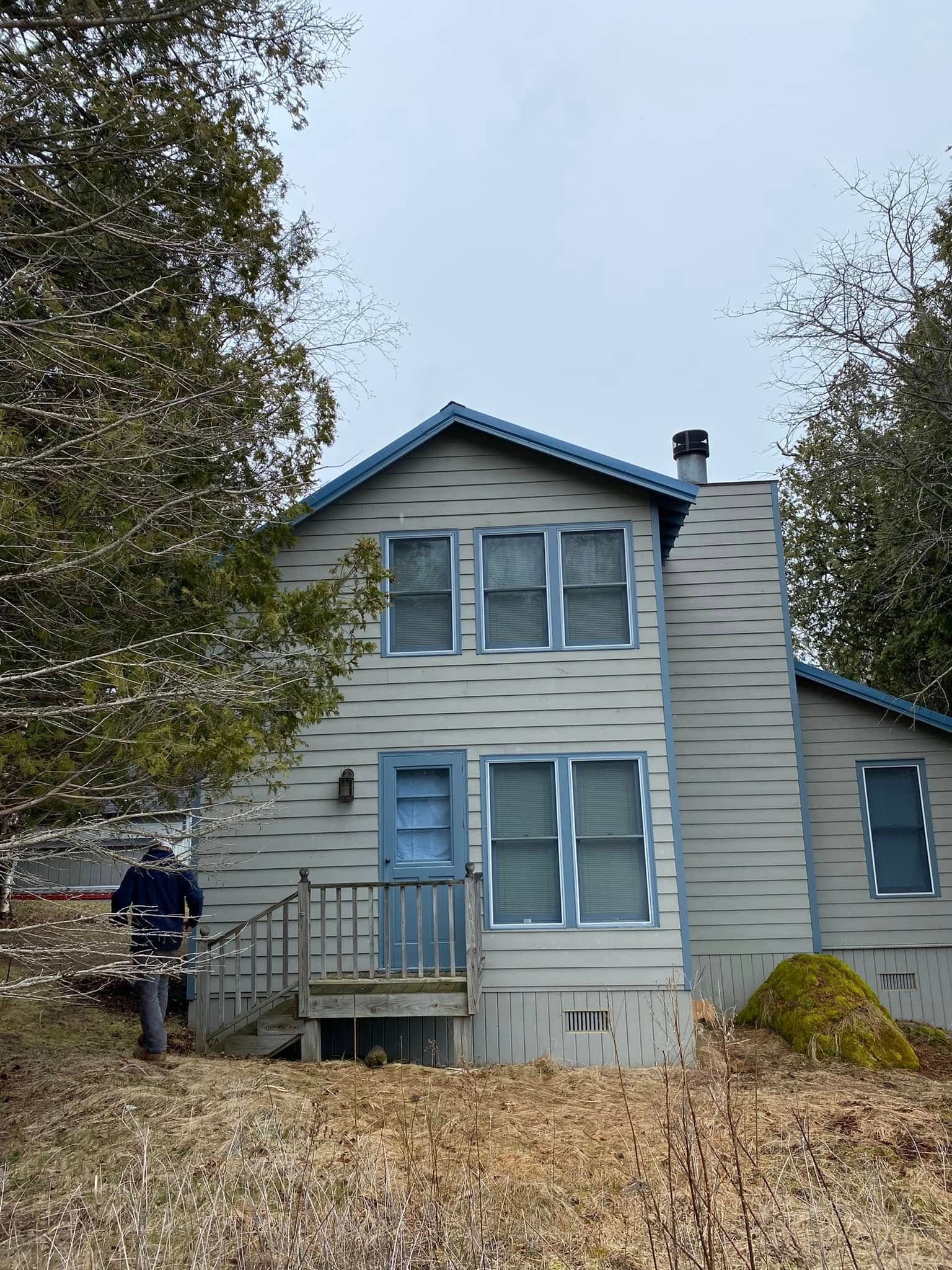
LCI Maintenance and Repair provides exterior painting for residential properties across the Eastern U.P., where lake-effect weather cracks and peels finishes faster than standard paint systems can handle. Homes along the Lakeshore Drive corridor and Point Iroquois area face wind, moisture, and temperature swings that test every layer of exterior protection. You see the results in peeling trim, split caulk lines, and bare wood showing through by the second winter.
The work starts with surface prep that addresses caulk failure and moisture intrusion before any paint touches wood. Proper sequencing means repairing split joints, priming bare wood, and letting each layer cure before the next goes on. In lake-effect climates, shortcuts during prep are where exterior jobs fail.
Schedule a property evaluation to identify prep requirements and surface conditions before painting begins.
What Proper Surface Prep Requires
Wood siding in the U.P. expands and contracts with temperature swings, opening caulk joints and letting water behind the finish. LCI's prep process addresses caulk failure at trim joints and seams, scrapes loose material down to stable substrate, and primes bare wood before topcoat application. Each layer needs to bond to a clean, dry surface or it lifts off when freeze-thaw cycles start.
After the work is complete, you see clean caulk lines that flex with wood movement, uniform color coverage without thin spots, and a finish that sheds water instead of absorbing it. Corners and trim edges stay sealed through the first winter instead of splitting open by spring. The siding surface looks finished, not just covered.
Cold-climate prep knowledge separates jobs that hold from those that peel by the second season. LCI approaches exterior painting as a system where primer adhesion, caulk flexibility, and topcoat durability all work together to handle northern Michigan weather.
Questions Before Starting Your Project
Homeowners in Brimley often ask about timing, surface prep, and what makes exterior paint last through U.P. winters.
What makes exterior painting fail early in the U.P.?
Skipping the prime step after wood repair or using caulk that hardens and cracks in cold temperatures causes most early failures. Surface prep and material selection determine how long the finish holds.
How does lake-effect weather affect exterior paint in Brimley?
Freeze-thaw cycles open caulk joints and lift paint edges, while wind-driven moisture works under any gaps in the finish. Homes near Whitefish Bay face more frequent cycles than properties farther inland.
When should exterior painting be scheduled?
Late spring through early fall provides the temperature and humidity range needed for proper curing. Cold nights or high moisture during application prevent layers from bonding correctly.
What happens if caulk joints are left unrepaired?
Water enters behind the siding through failed joints, soaking the wood substrate and causing the new paint to lift off within one or two seasons. Caulk repair is not optional in this climate.
How do I know if the prep work was done correctly?
You should see primed bare wood before topcoat application, smooth caulk lines at all trim joints, and no loose or flaking material left under the new finish. Proper prep takes time and shows in the details.
LCI Maintenance and Repair handles exterior painting with the prep work that matters in northern Michigan. Request a detailed estimate based on your home's current finish condition and exposure.