Roofs Built To Shed Heavy Snow Loads
Metal Roofing in Brimley for properties dealing with repeated shingle failure under lake-effect winter conditions
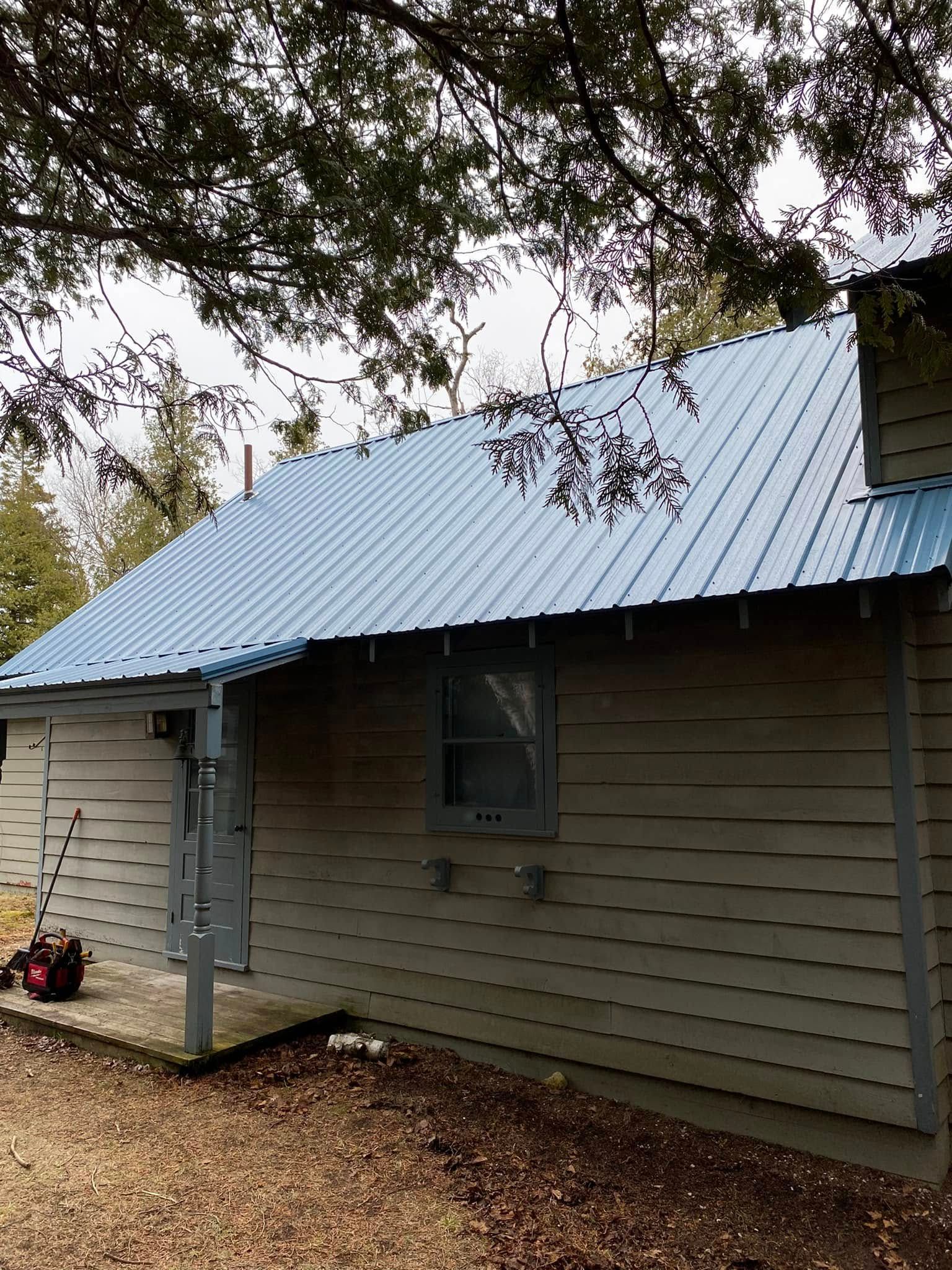
Standing-seam metal roofing sheds snow loads instead of holding them, reducing the structural stress that accumulates on roofs throughout winter months in the Eastern Upper Peninsula. LCI Maintenance and Repair installs standing-seam and metal panel roofing for homes and properties from Brimley to the Point Iroquois area and along the Lakeshore Drive corridor, where heavy snow and wind uplift from Lake Superior demand roofing materials that perform differently than asphalt shingles. Homeowners tired of replacing shingles every few years see metal roofing as a long-term solution that handles the climate without repeating the same failure cycle.
Metal roofing installation involves selecting the correct panel profile and fastener type for wind uplift resistance, a decision that separates installations that last decades from those that fail prematurely when lake-effect winds tear panels loose. Thermal movement during temperature swings and snow load behavior on sloped metal surfaces are factors that affect how the roof performs in this specific climate.
Arrange a property evaluation to determine whether metal roofing fits your building structure and budget.
Why Metal Roofing Works for Lakefront Properties
Panel profile and fastener selection determine how well metal roofing resists wind uplift along the Lake Superior shoreline, where sustained winds during storms can reach speeds that pull improperly fastened panels off the roof deck. Concealed fastener systems used in standing-seam installations reduce the risk of fastener failure and water intrusion compared to exposed fastener panels, though both approaches work when installed correctly for the local wind and snow conditions.
After metal roofing installation, you will notice snow sliding off the roof in sheets instead of sitting in place for weeks, reducing the weight load on your structure and preventing ice dam formation along eaves. Water drains cleanly down the panels without pooling, and the roof surface no longer shows the curling, cracking, or granule loss that appears on aging asphalt shingles.
Metal roofing installations include panel layout, fastener placement for thermal movement, and trim work at roof edges and penetrations. The service does not include structural reinforcement if your roof framing needs upgrading to support snow loads, though that need is identified during the assessment.
Common Questions About Metal Roof Installation
Metal roofing performs differently than shingle roofing in cold climates, and understanding those differences helps property owners make informed decisions before starting an installation project.
What makes metal roofing better for Upper Peninsula snow loads than asphalt shingles?
Metal roofing sheds snow loads as they accumulate instead of holding weight on the roof structure, which reduces stress on framing and eliminates the conditions that cause ice dams to form along eaves where heat escapes through the attic.
How does panel profile affect wind resistance in the Brimley area?
Standing-seam panels with concealed fasteners resist wind uplift better than exposed fastener panels because the fastening system is protected from direct wind pressure. Fastener spacing and panel gauge also determine how well the roof handles sustained winds during lakefront storms.
When is metal roofing the right choice instead of replacing shingles again?
If you are replacing shingles every ten to fifteen years due to lake-effect weather damage, metal roofing becomes the more cost-effective long-term option because properly installed metal roofs last forty years or more without the same seasonal failure patterns.
What happens to metal roofing during extreme cold and freeze-thaw cycles?
Metal roofing expands and contracts with temperature changes, which is why fastener systems must allow for thermal movement. Properly installed fasteners and trim accommodate this movement without causing panel distortion or fastener failure over time.
How long does metal roofing installation take for a residential property?
Most residential metal roof installations are completed in three to five days depending on roof complexity, though larger homes or roofs with multiple valleys and penetrations require additional time for proper panel fitting and trim work.
LCI Maintenance and Repair installs metal roofing across the Eastern Upper Peninsula with attention to wind uplift and snow load performance specific to lakefront conditions. Schedule a consultation to review panel options and determine whether your roof structure is ready for metal roofing installation.